Archives
- 2026-08
- 2026-07
- 2026-06
- 2026-05
- 2026-04
- 2026-03
- 2026-02
- 2026-01
- 2025-12
- 2025-11
- 2025-10
- 2025-09
- 2025-03
- 2025-02
- 2025-01
- 2024-12
- 2024-11
- 2024-10
- 2024-09
- 2024-08
- 2024-07
- 2024-06
- 2024-05
- 2024-04
- 2024-03
- 2024-02
- 2024-01
- 2023-12
- 2023-11
- 2023-10
- 2023-09
- 2023-08
- 2023-07
- 2023-06
- 2023-05
- 2023-04
- 2023-03
- 2023-02
- 2023-01
- 2022-12
- 2022-11
- 2022-10
- 2022-09
- 2022-08
- 2022-07
- 2022-06
- 2022-05
- 2022-04
- 2022-03
- 2022-02
- 2022-01
- 2021-12
- 2021-11
- 2021-10
- 2021-09
- 2021-08
- 2021-07
- 2021-06
- 2021-05
- 2021-04
- 2021-03
- 2021-02
- 2021-01
- 2020-12
- 2020-11
- 2020-10
- 2020-09
- 2020-08
- 2020-07
- 2020-06
- 2020-05
- 2020-04
- 2020-03
- 2020-02
- 2020-01
- 2019-12
- 2019-11
- 2019-10
- 2019-09
- 2019-08
- 2019-07
- 2019-06
- 2019-05
- 2019-04
- 2018-07
-
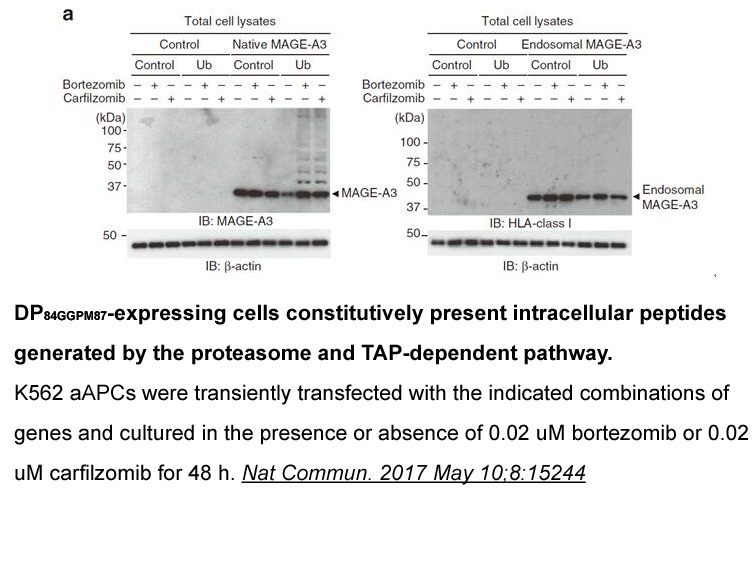
Collectively the results presented here provide new insights
2020-02-05
Collectively, the results presented here provide new insights into ligand binding, clustering, spatial distribution, and phosphorylation of DDR1b and DDR2 in response to soluble collagen I. As depicted in the cartoon of Scheme 1, we postulate a model in which the spatial distribution and assembly of
-
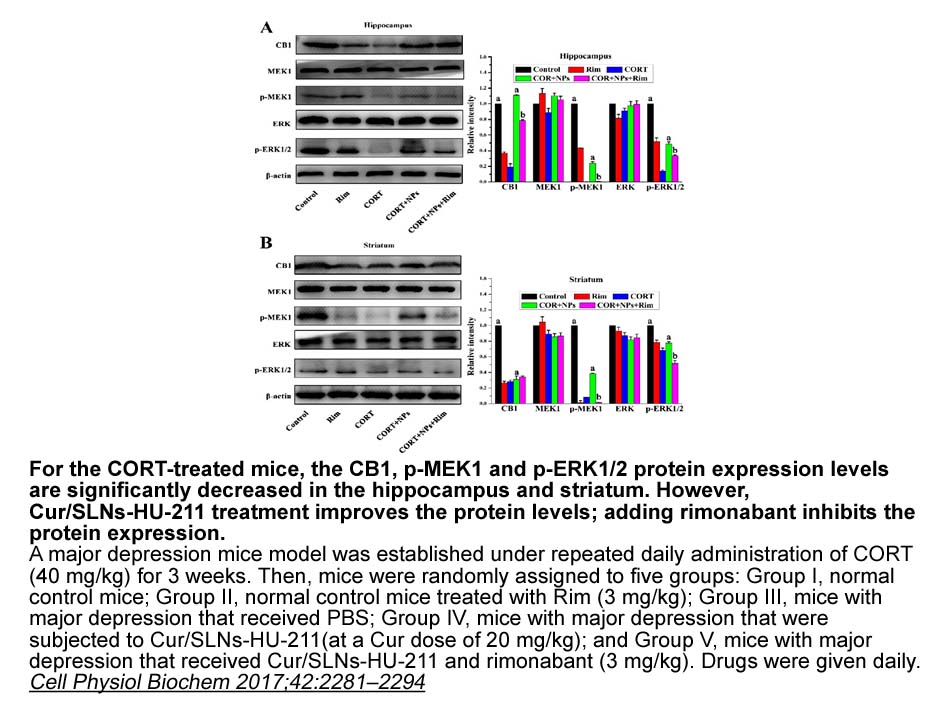
Our research has demonstrated that
2020-02-04
Our research has demonstrated that the absolute bioavailability of oxymatrine, having a similar structure with OSC, was only 6.79±2.52%. About 50% of OSC was converted to its active metabolite SC in vivo; hence, the absolute bioavailability of OSC was speculated to be poor as well [24]. Understandin
-
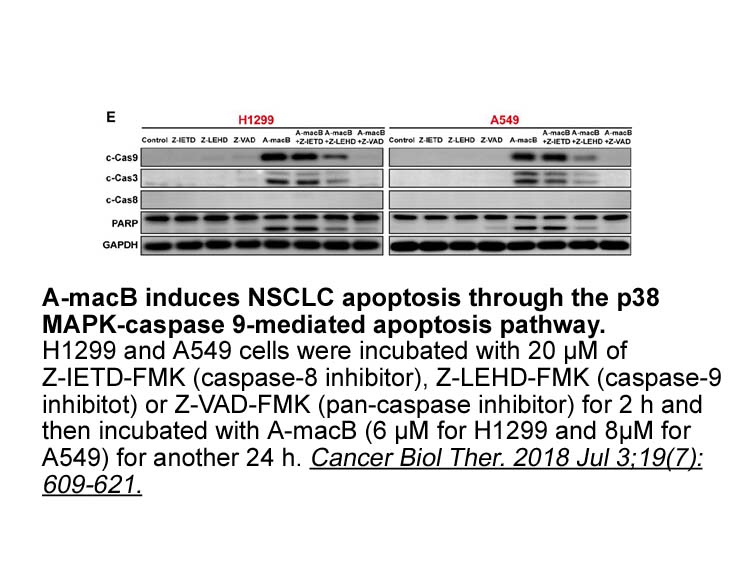
We also identified Ubc as a functional E for
2020-02-04
We also identified Ubc13 as a functional E2 for LNX1 and determined the complex structure of LNX1–Ubc13~Ub, which depicts the first step of the ubiquitination process (Fig. 3a.). Comparing structural alignment of the RNF4 RING: Ubc13~Ub: Ube2V2 complex (PDB code 5AIU) [33] and the RNF4:Ubc13~Ub comp
-
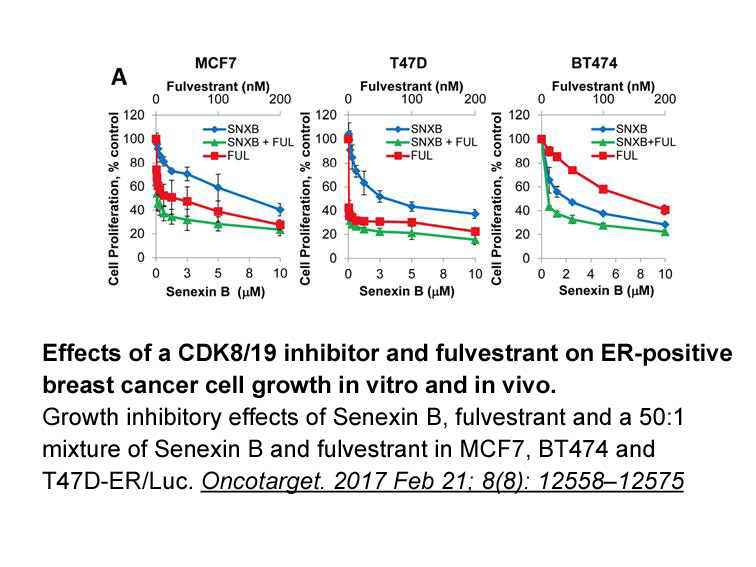
br Materials and methods br Results br Discussion Drug
2020-02-04
Materials and methods Results Discussion Drug of abuse induces widespread cmv changes in the molecular and cellular functions in circuits between VTA and its neighbored regions such as NAC, and amygdala. It is belived that these changes result behavioral phenotype that characterize addicti
-
In conclusion we demonstrated phenoconversion of CYP A in
2020-02-04
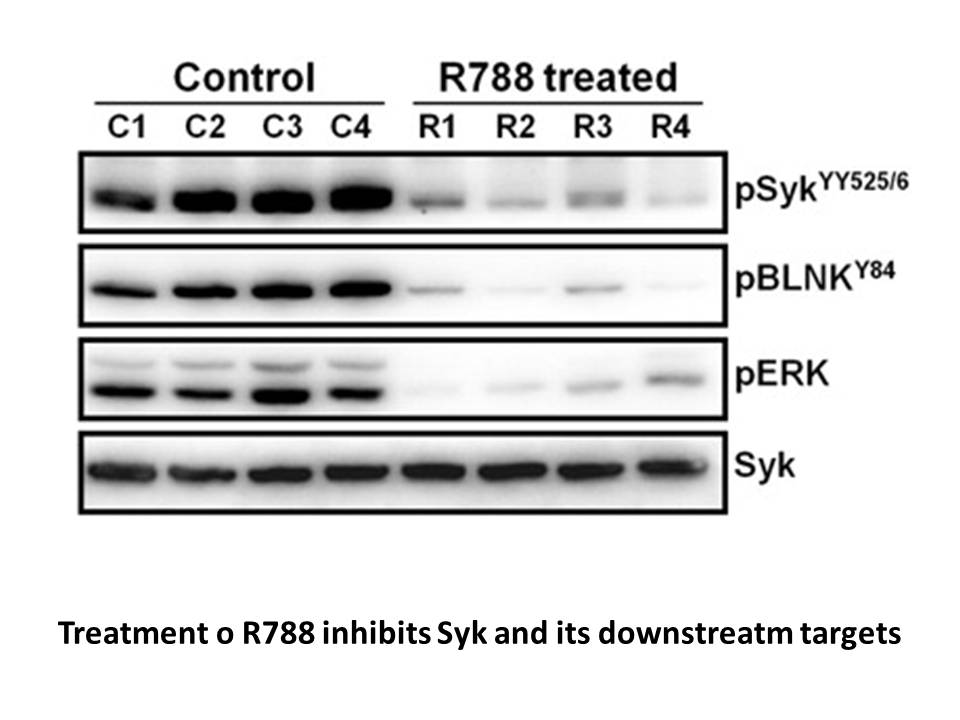
In conclusion, we demonstrated phenoconversion of CYP3A in stable kidney transplant recipients, and that higher plasma indoxyl sulfate concentrations in these subjects may be involved in the phenomenon. The present findings suggest that dose adjustment of drugs metabolized by CYP3A may be needed in
-
Unexpectedly CRF receptor agonist and
2020-02-04
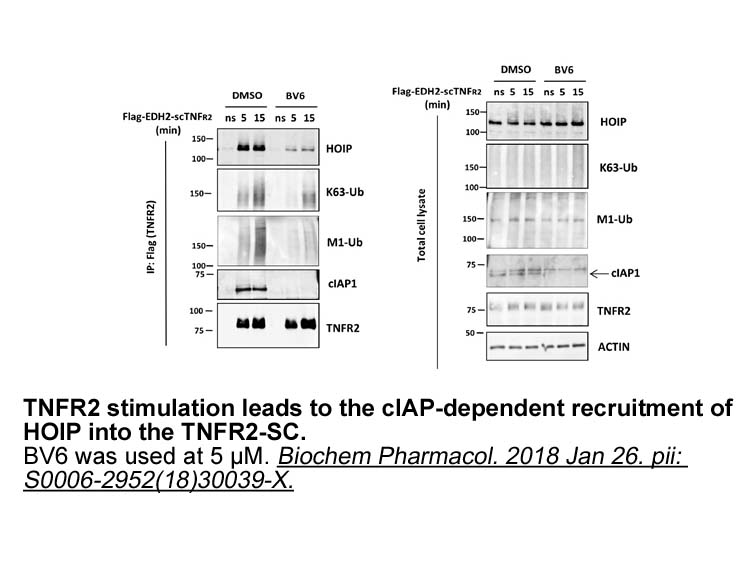
Unexpectedly, CRF2 receptor agonist and antagonist evoked similar effects in the fall in tail skin temperature caused by restraint. However, Ucn3 reduced basal values of tail skin temperature, thus indicating that some degree of basal vasoconstriction caused by BNST treatment with Ucn3 may have cont
-
Purvalanol B receptor No effect on the A production by secre
2020-02-04
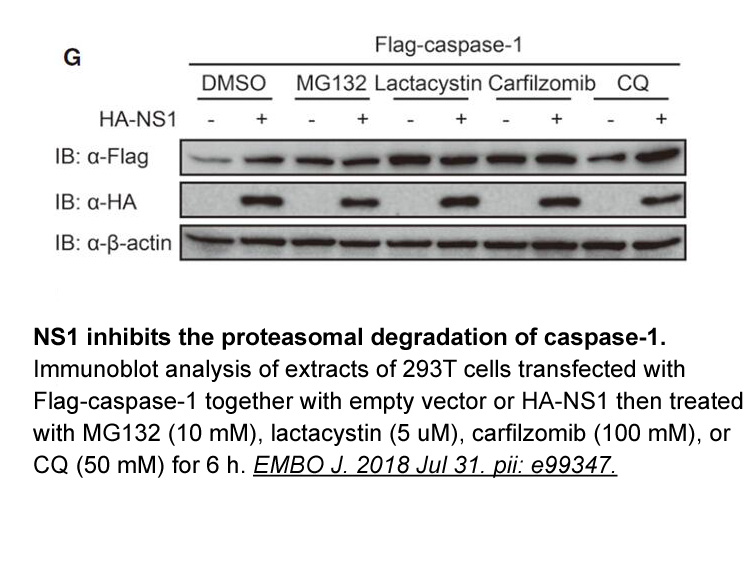
No effect on the Aβ production by γ-secretase was observed at 50μM, the highest effective concentration used in cultured Purvalanol B receptor by the study of Flajolet et al. IC261 did also not exert a modulatory effect on the production of Aβ, Aβ and Aβ species in the cell-free assay at this conce
-
Materials and methods Construction of
2020-02-04
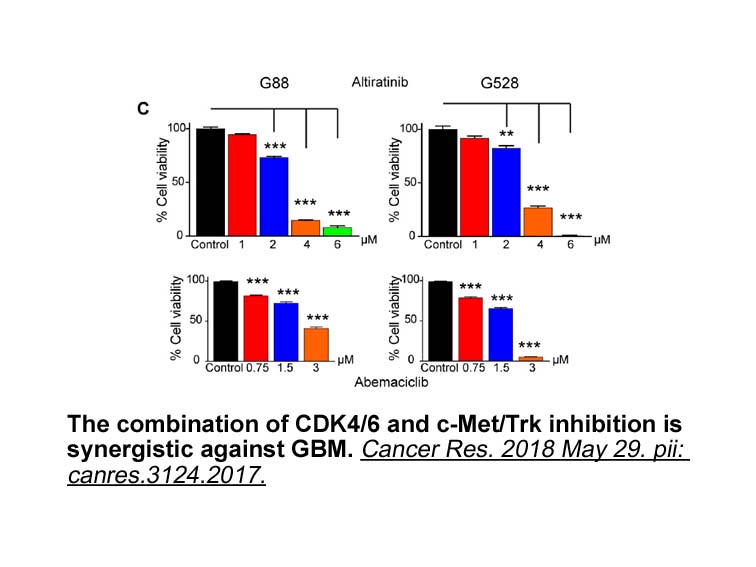
Materials and methods Construction of the Chk-YB-1b-Neo vector. Approximately 107 plaques from a chicken genomic library established in EMBL3 vector (Clontech Palo Alto, CA) was screened and one clone containing a 12kb insert was selected. Digestion of this clone with SalI and EcoRI restriction enz
-
Given that dimethylamine substitution was tolerated as in SR
2020-02-04
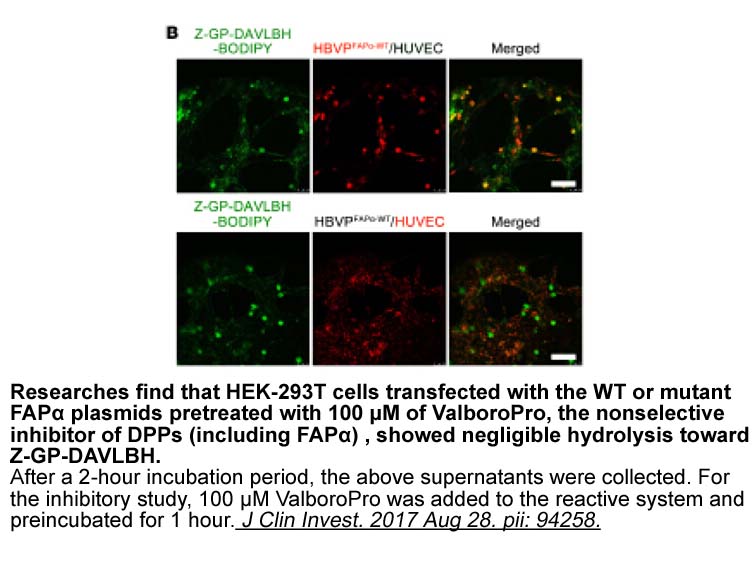
Given that dimethylamine substitution was tolerated as in SR106447 (), we investigated Nelfinavir amine substitutions as replacements for the -butyl group (). Cyclic amines (SR19880, 19882) or simple mono-substituted anilines (SR20037) were not active, nor was an acetylated version (SR20039). The sl
-
821 synthesis br Materials and methods br Results and discus
2020-02-04
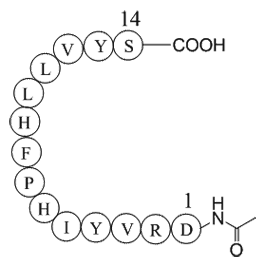
Materials and methods Results and discussion Concluding remarks Together, the results of the theoretical kinetic simulations and of the analysis of the experimentally determined kinetic data of SoBADH performed in this work show that ignoring substrate inhibition causes potentially importan
-
Lonidamine synthesis br A major physiological action
2020-02-04
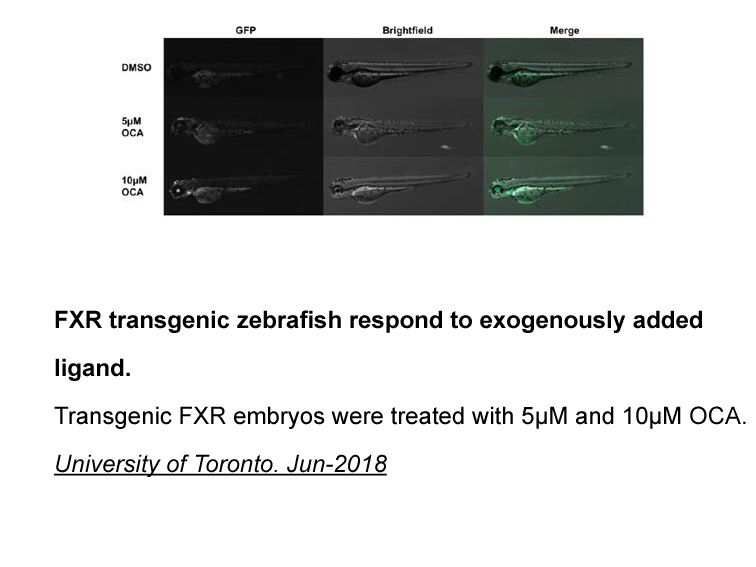
A major physiological action of ET-1 is to function as one of the most powerful vasoconstrictors of human blood vessels. As such, ET-1 plays a major role in regulating vascular function in all organ systems, including the kidney (Fig. 1). As in other vessels, ET-1 is thought to be released from en
-
br Materials and methods br
2020-02-04
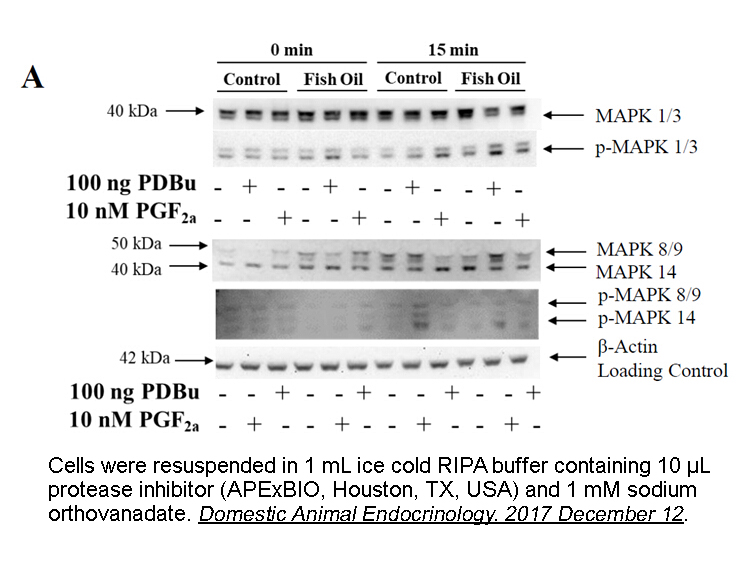
Materials and methods Results The i.v. administration of urocortin 2 reduced the mean arterial blood pressure in a dose-dependent manner (Fig. 1). The ED50 for the urocortin 2 cumulative dose–response effect on mean arterial blood pressure was 0.014±0.004 mg kg−1. Urocortin 2 administration ha
-
Even minor alterations in the surfactants
2020-02-04
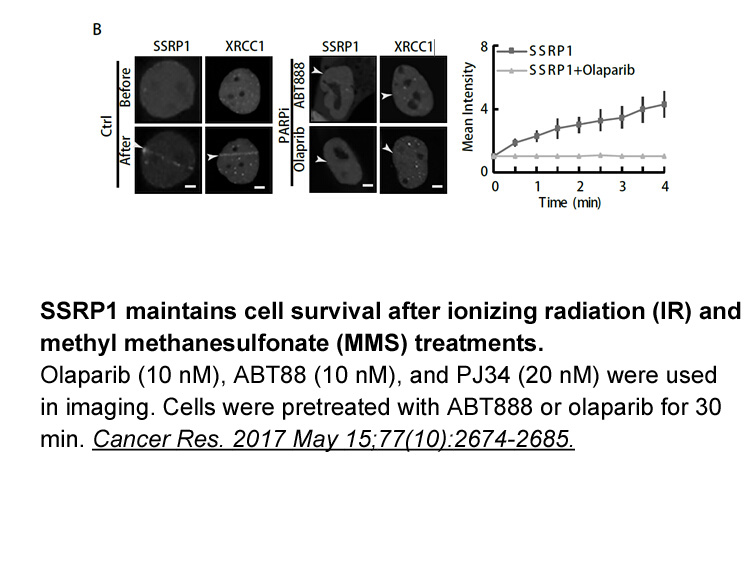
Even minor alterations in the surfactants structure could have consequences on their physico-chemical characteristics; mono-RLs have less solubility, stronger surfaces sorb, and stronger cationic metals binding than homologue di-RLs (Zhang et al., 1997). The HPLC separation of RLs structure is base
-
The transcription factor CREB has been
2020-02-03
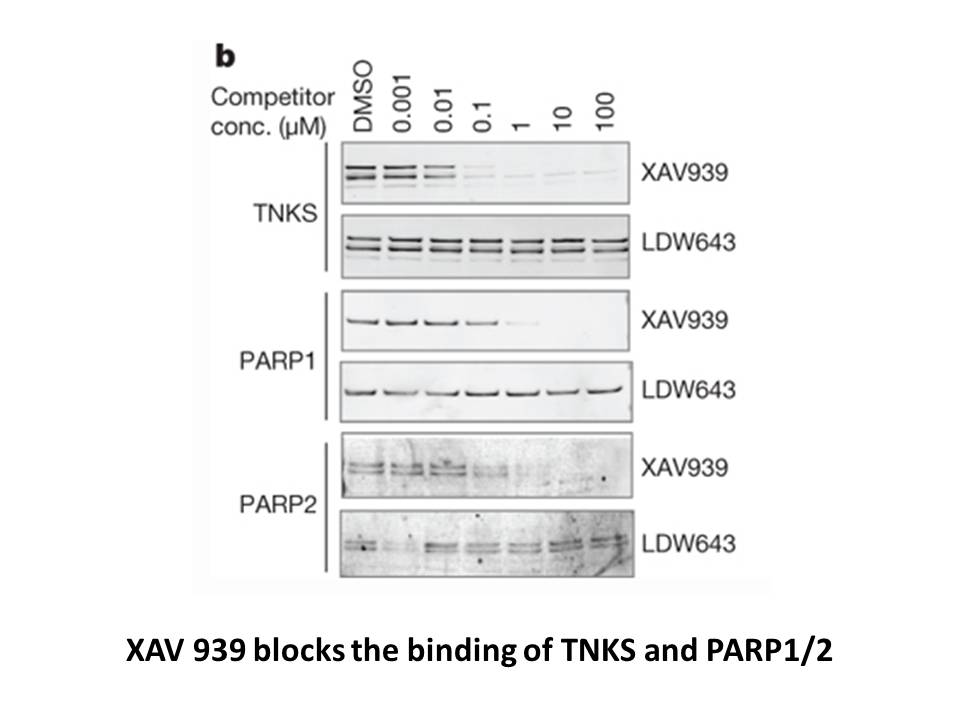
The transcription factor CREB has been extensively studied for its role in hippocampus-dependent learning and memory (West et al., 2002, Lonze and Ginty, 2002). Previous research has demonstrated that the phosphorylation of CREB at Ser133, performed by the ERK1/2 signaling pathway, initiates a casca
-
br Activatable MRI probes MRI is
2020-02-03
Activatable MRI probes MRI is commonly used in clinics around the world and has the advantages of outstanding tissue-penetration depth and extremely high spatial resolution for in vivo imaging [33]. MRI has relatively poor sensitivity and usually requires Laminin 925-933 agents to enhance the ima
16278 records 942/1086 page Previous Next First page 上5页 941942943944945 下5页 Last page