Archives
- 2026-09
- 2026-08
- 2026-07
- 2026-06
- 2026-05
- 2026-04
- 2026-03
- 2026-02
- 2026-01
- 2025-12
- 2025-11
- 2025-10
- 2025-09
- 2025-03
- 2025-02
- 2025-01
- 2024-12
- 2024-11
- 2024-10
- 2024-09
- 2024-08
- 2024-07
- 2024-06
- 2024-05
- 2024-04
- 2024-03
- 2024-02
- 2024-01
- 2023-12
- 2023-11
- 2023-10
- 2023-09
- 2023-08
- 2023-07
- 2023-06
- 2023-05
- 2023-04
- 2023-03
- 2023-02
- 2023-01
- 2022-12
- 2022-11
- 2022-10
- 2022-09
- 2022-08
- 2022-07
- 2022-06
- 2022-05
- 2022-04
- 2022-03
- 2022-02
- 2022-01
-
br Author contribution br Acknowledgement br Introduction Si
2023-08-21
Author contribution Acknowledgement Introduction Since the initial finding of Gould et al. [1], showing the loss of dendritic spines in the hippocampus after ovariectomy and its rescue after treatment of the animals with estradiol, a tremendous number of studies have demonstrated a role of
-
br Conclusions br Acknowledgements We
2023-08-21
Conclusions Acknowledgements We would like to thank the members of the Bergmann lab for fruitful discussions in the course of this work. This work was supported by the National Institute of General Medical Sciences (NIGMS) under award number R35 GM118330. The content is solely the responsibili
-
Since at least prospective cohort
2023-08-21
Since 2005, at least 14 prospective cohort studies have been conducted to clarify inconsistencies in the field, ten of which suggested a direct correlation between antibiotic use and atopy or wheezing later in life [51–60], three found no association [61–63], and one found positive association only
-
Hyperactivity of the hypothalamus pituitary adrenal HPA axis
2023-08-21
Hyperactivity of the hypothalamus-pituitary-adrenal (HPA) axis, which is well described in MDD (Pariante and Lightman, 2008, Marques et al., 2009), is also observed in AD and results in increased glucocorticoid (GC, cortisol in primates) levels in blood and CSF (Davis et al., 1986, Martignoni et al.
-
Clinical observations of individuals with a
2023-08-18

Clinical observations of individuals with a decrease in 12-LOX madecassol mg are consistent with 12-LOX potentiating platelet activation and thrombus formation [40]. However, the relative contribution of 12-LOX to these complex disorders cannot be fully elucidated in the absence of a biochemical as
-
The cytoplasmic domain of muscle
2023-08-18
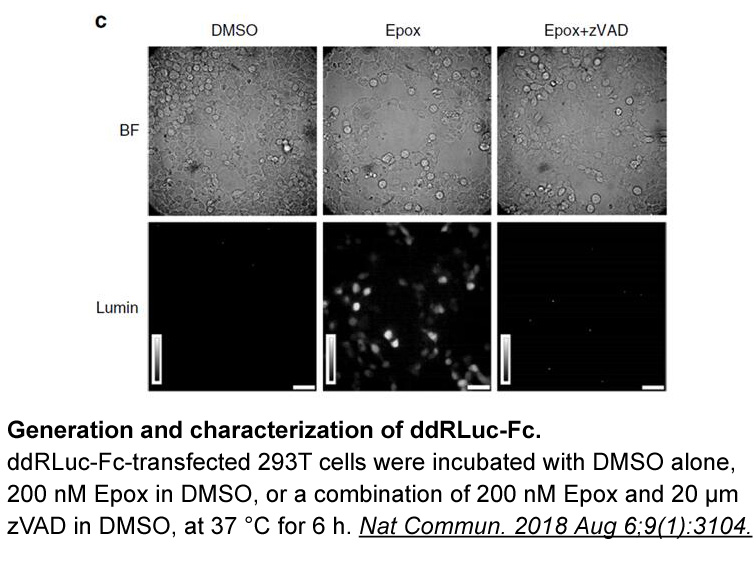
The cytoplasmic domain of muscle AChR is not accessible to D-Luciferin sodium salt receptor in vivo. Theoretically, therapy with the cytoplasmic domains should be safe. Safety is demonstrated by the facts that: (1) rats repeatedly immunized with the cytoplasmic domains in TiterMax adjuvant do not d
-
br Introduction Nausea and vomiting
2023-08-18
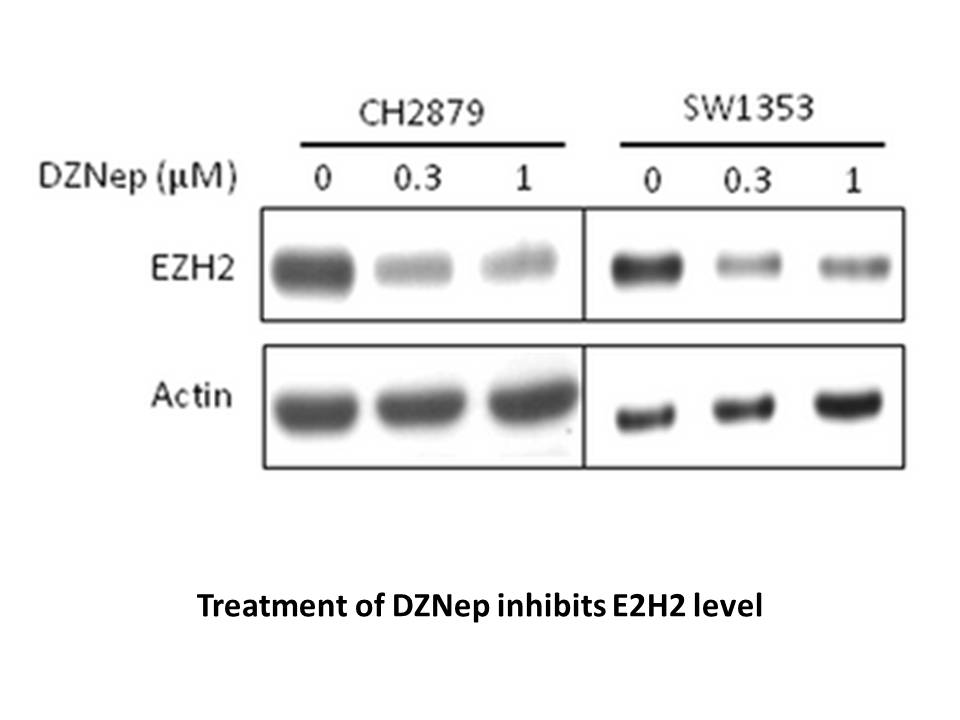
Introduction Nausea and vomiting are among the most distressing side effects associated with chemotherapy in cancer patients (Billio et al., 2010). Severe emesis can negatively affect a patient's nutritional state, ability to work and motivation, which can, in turn, interfere with the clinical co
-
During the year study period
2023-08-18
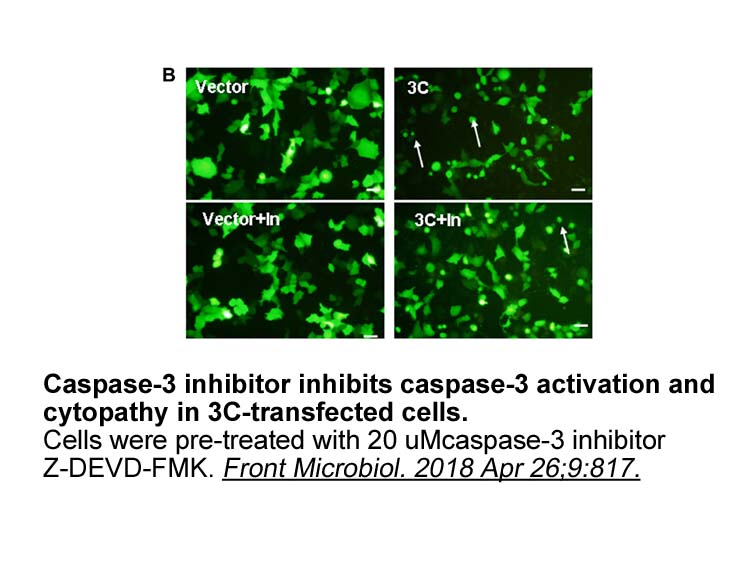
During the 4-year study period, 19.9% of men in the dutasteride group developed prostate cancer as compared to 25.1% in the placebo group, which represents an absolute risk SB 290157 trifluoroacetate salt receptor of 5.1% for men taking dutasteride (Pe weighed against the prospect of undesirable sex
-
dihydrochloride br Patients and Methods br Results br Discus
2023-08-18
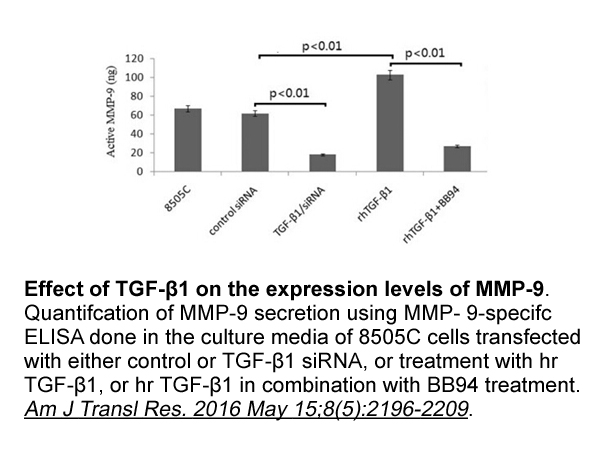
Patients and Methods Results Discussion Gjerdrum et al showed that Axl dihydrochloride is required to maintain the mesenchymal-like invasiveness of metastatic breast carcinoma cells, but Axl knockdown has no effect on the cell proliferation of MDA-MB-231 cells. Mackiewicz et al also showed
-
br ACL A Metabolic Checkpoint for Sensing Excess Nutrients D
2023-08-18
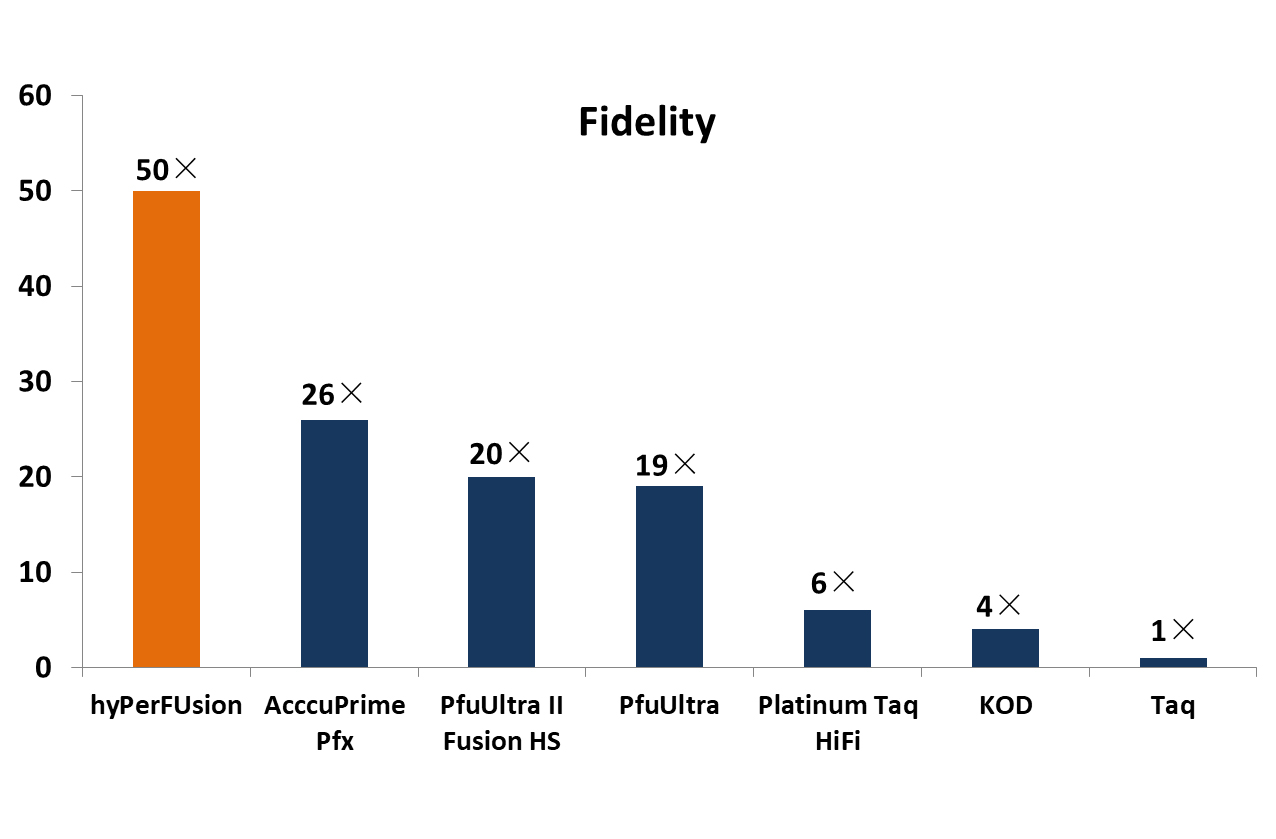
ACL: A Metabolic Checkpoint for Sensing Excess Nutrients? During normal transitions between fasting and feeding, cells maintain energy homeostasis by integrating energy and nutrient status signals at key metabolic nodes, coordinating multiple processes. For example, the AMP-activated protein kina
-
acetylcholine inhibitors br Perspective AA LA and other PUFA
2023-08-18
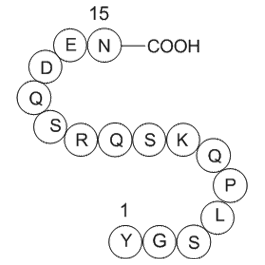
Perspective AA, LA and other PUFAs and their lipid metabolites play an important role in human diseases. 12/15-LOX which is the metabolic enzyme of them plays an important role in the pathogenesis-related diseases such as atherosclerosis, diabetic nephropathy, neurological diseases and other path
-
Our results clearly demonstrate that
2023-08-18
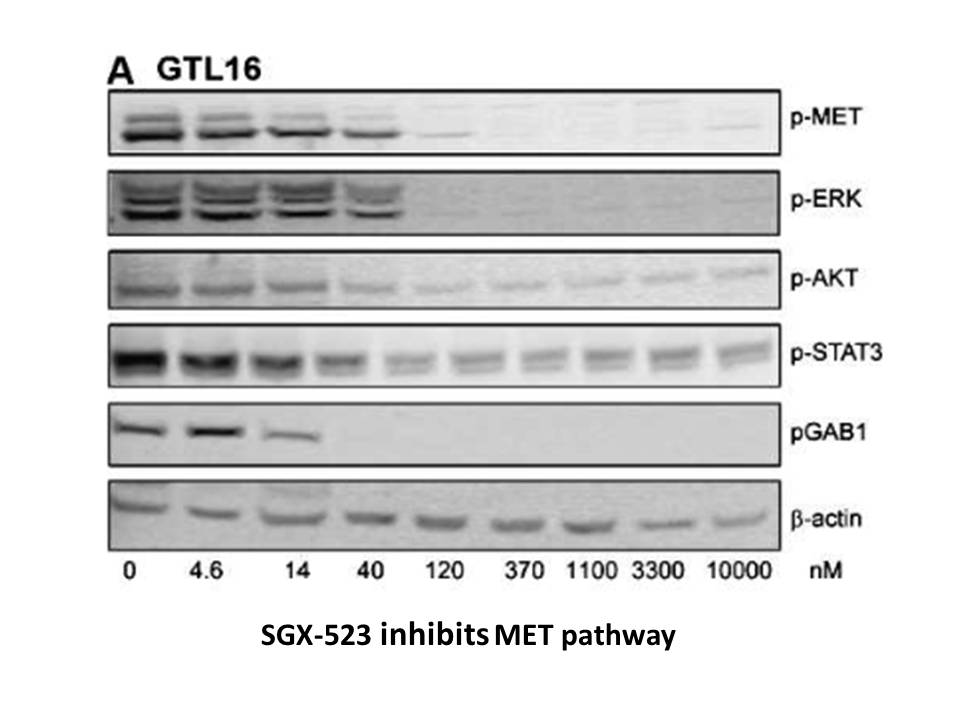
Our results clearly demonstrate that inhibition of ATM pathway activation results in resistance to Vγ2Vδ2 T cell-mediated cell death. Therefore, enhancing ATM activation along with Vγ2Vδ2 T cell treatment would promote the cytotoxicity of resistant ovarian cancer cells. To our knowledge, this is the
-
br Author contribution br Acknowledgement br
2023-08-18
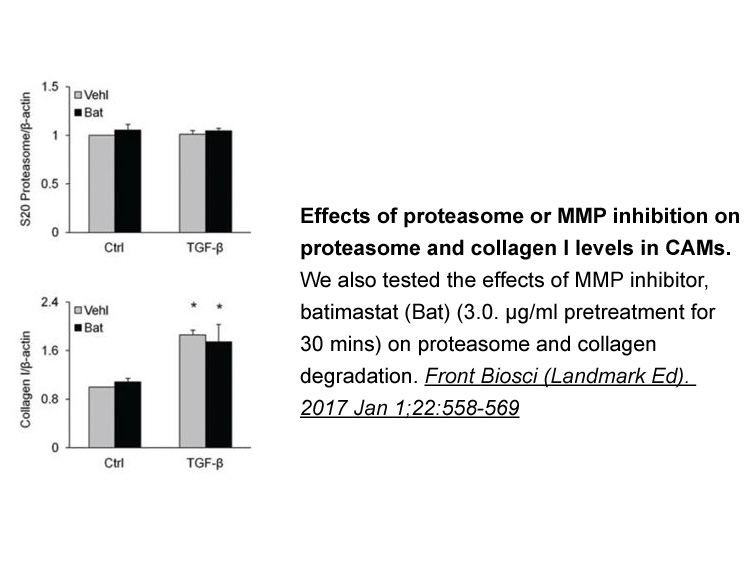
Author contribution Acknowledgement Introduction Since the initial finding of Gould et al. [1], showing the loss of dendritic spines in the hippocampus after ovariectomy and its rescue after treatment of the animals with estradiol, a tremendous number of studies have demonstrated a role of
-
br Conflict of interest br Introduction Platelets are
2023-08-18
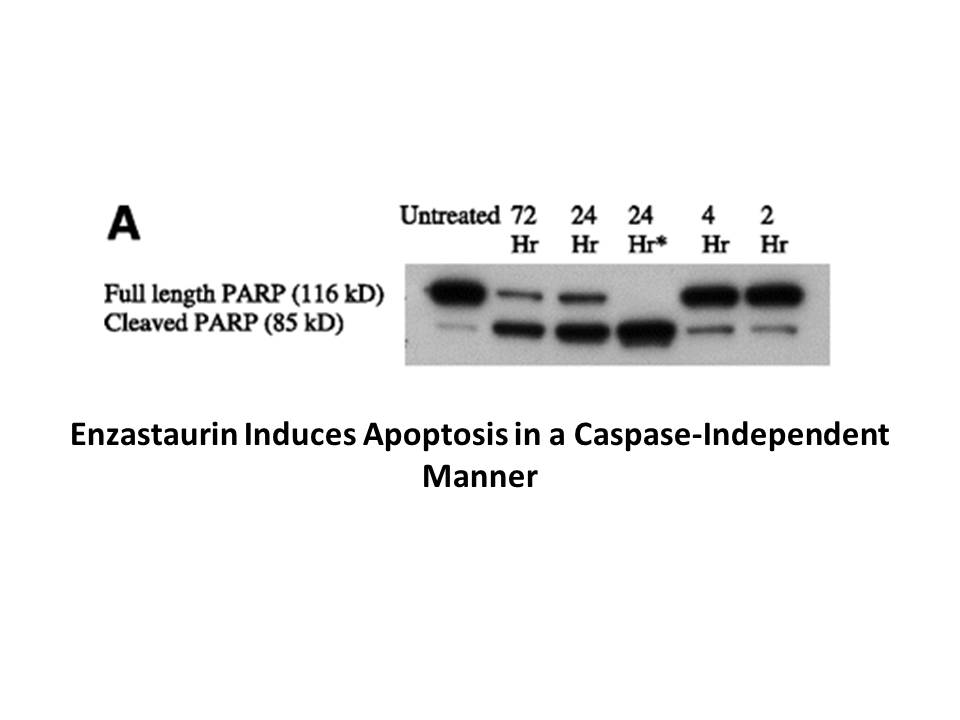
Conflict of interest Introduction Platelets are anucleate blood cells essential for hemostasis and wound healing; tight regulation of platelet numbers is crucial for human health. Platelets are synthesized and released from bone marrow megakaryocytes into the circulation where they remain for
-
U 18666A In summary these data show that agonist exposure in
2023-08-18
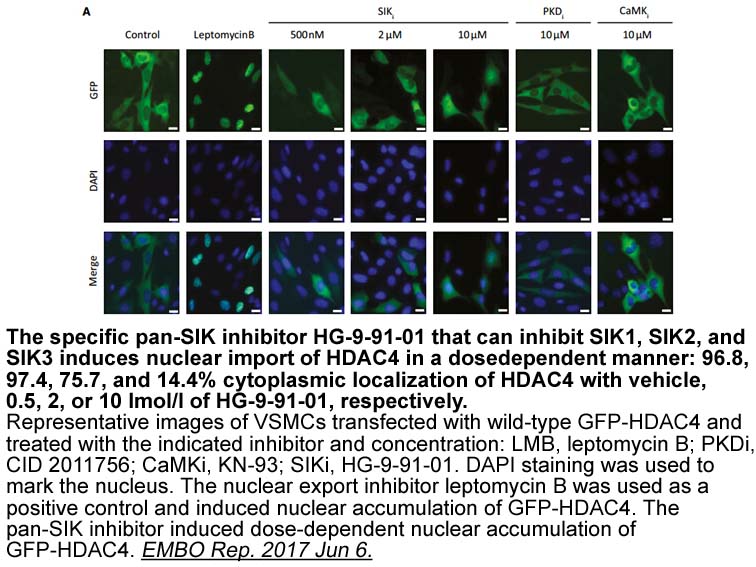
In summary, these data show that agonist exposure induces internalization and reduction in cell surface HA-mAPJ expression that occurs relatively rapidly during agonist exposure and recovers more slowly after agonist removal. Moreover the ppERK response of mAPJ-HEK293 cells to [Pyr1]apelin-13 desens
8584 records 333/573 page Previous Next First page 上5页 331332333334335 下5页 Last page