Archives
- 2026-11
- 2026-10
- 2026-09
- 2026-08
- 2026-07
- 2026-06
- 2026-05
- 2026-04
- 2026-03
- 2026-02
- 2026-01
- 2025-12
- 2025-11
- 2025-10
- 2025-09
- 2025-03
- 2025-02
- 2025-01
- 2024-12
- 2024-11
- 2024-10
- 2024-09
- 2024-08
- 2024-07
- 2024-06
- 2024-05
- 2024-04
- 2024-03
- 2024-02
- 2024-01
- 2023-12
- 2023-11
- 2023-10
- 2023-09
- 2023-08
- 2023-07
- 2023-06
- 2023-05
- 2023-04
- 2023-03
- 2023-02
- 2023-01
- 2022-12
- 2022-11
- 2022-10
- 2022-09
- 2022-08
- 2022-07
- 2022-06
- 2022-05
- 2022-04
- 2022-03
- 2022-02
- 2022-01
Chronic inflammation is associated with both initiation and
2024-03-20
Chronic inflammation is associated with both initiation and progression of many neoplastic conditions [149], and ATX may be a player in the process. ATX/LPA signaling is positively correlated with the invasive and metastatic potential of several cancers including melanoma, breast cancer, ovarian can
We demonstrate a role for low
2024-03-20
We demonstrate a role for low oxygen to regulate ATX mRNA in hepatocyte-derived HuH7 N6-methyladenosine and human liver slices, consistent with reports of increased ATX expression in a variety of tumours that are frequently hypoxic. Importantly, we show a positive association between elevated ATX mR
DRiPs also contribute to formation of
2024-03-20
DRiPs also contribute to formation of protein AZD3264 that result from dysregulation of proteostasis, during which the proteolytic machinery is unable to process and degrade defective proteins (Tyedmers et al., 2010). Aggregation of poly-ubiquitinated proteins has been observed in different cell ty
We conducted the largest drug
2024-03-20
We conducted the largest drug screen to date in HPV-positive cancers and identified Aurora kinase inhibitors as effective and understudied drugs in HNSCC and CESC. These drugs cause apoptosis and cell cycle arrest in vitro and decrease tumor size in vivo. This is the first published study to demonst
br Apelin The APJ receptor ligand apelin
2024-03-19
Apelin The APJ receptor ligand apelin firstly in 1998 was segregated from bovine stomach tissue. Human preproapelin gene located on chromosome Xq25–26.1. The apelin preproproteins consist of 77 amino p38 inhibitor residues that are cleaved into biologically active C-terminal fragments of various
The relationship between the apelinergic
2024-03-19
The relationship between the apelinergic and opioid systems has been previously reported (Lv et al., 2011, Yang et al., 2010). Lv and colleagues showed that naloxone has a suppressive effect on apelin-induced depression-like behavior in mice (Lv et al., 2012a). Furthermore, heterodimerization of GPC
br Experimental and computation Standard samples
2024-03-19
Experimental and computation Standard samples of artemisinin (1) and artemether (2) were purchased from China National Institutes for Food and Drug Control. Their ECD spectra, at a concentration of 1.0–5.0mg/mL in ethanol, were recorded in a quartz cuvette of 1mm optical path length using a Jasco
Since ARBs strongly reduce inflammation it
2024-03-19
Since ARBs strongly reduce inflammation, it was hypothesized that the protective effects on cognition were the result of reduction of inflammation and amelioration of neurogenic decrease. However, ARB treatment did not normalize increased inflammation and neurogenic loss. For this reason, the protec
br Conclusions In summary we report
2024-03-19
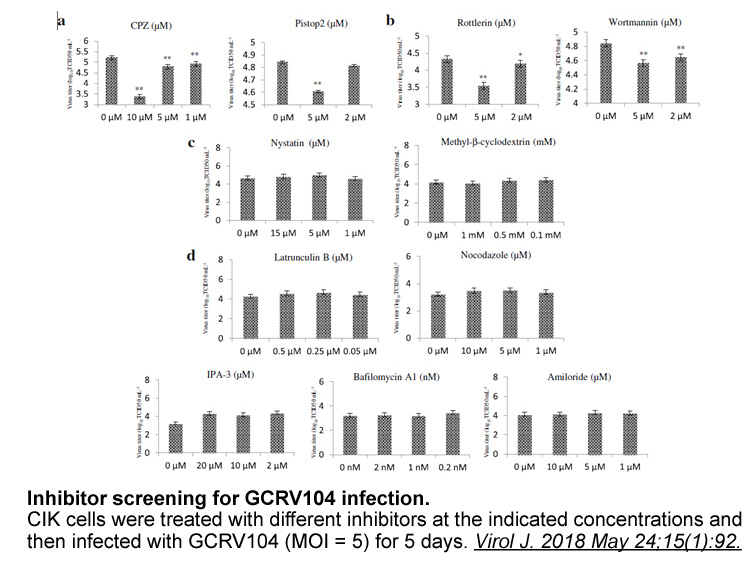
Conclusions In summary, we report a novel preliminary finding of a potential racial difference in the association of Cd-content and AR expression in prostate cancer that will need to be confirmed in larger studies. Although the association of Cd and AR protein expression is not strong in tumor ti
In the largest postmortem study of autopsied
2024-03-19
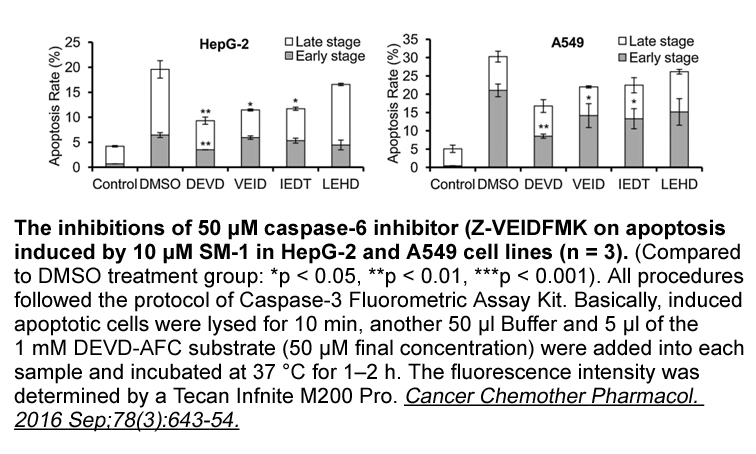
In the largest postmortem study of 3618 autopsied individuals, almost 75% of the individuals without Aβ pathology already harbored cortical NFT pathology mostly confined to the medial temporal regions (Murray et al., 2015). In Braak's study of 2366 autopsied individuals (Braak and Del Tredici, 2014)
br Regulation of BCAA catabolism The BCAA catabolic system i
2024-03-19

Regulation of BCAA catabolism The BCAA catabolic system is equipped in mammalian cells to dispose of excess BCAAs, presumably resulting in relatively stable concentrations of BCAAs in blood and tissues in humans. The main BCAA catabolic pathway is localized in the mitochondria of all tissues. The
Inflammatory factors released by activated cells
2024-03-19
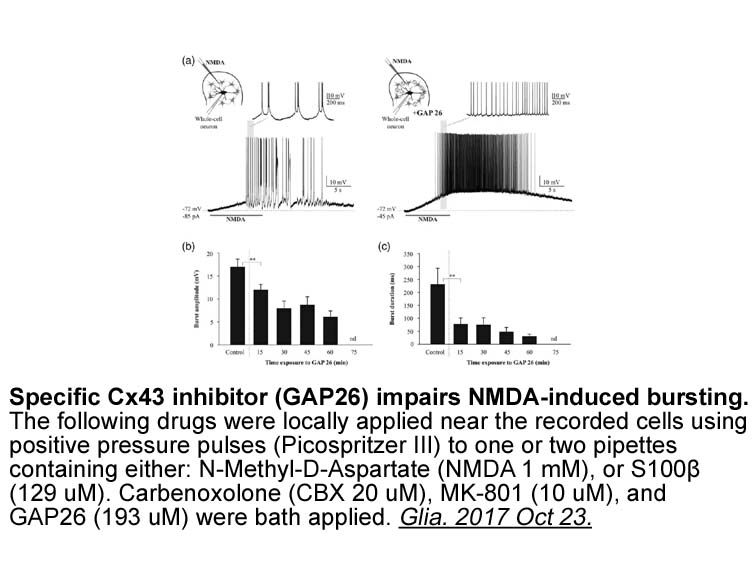
Inflammatory factors released by activated cells during AD are very important for the disease progression. Not only several inflammatory cytokines, such as IL-1β, IL-18, and IL-33, but also anti-inflammatory ones, as IL-10 and IL-13, are upregulated in the brain of AD patients (Morimoto et al., 2011
In our previous study we found that the
2024-03-19

In our previous study we found that the total activity of aldehyde dehydrogenase in cancer 3254 receptor of RCC is at the same level as in normal renal tissue [10]. These findings are similar to our results in serum patients with renal cancer. There is no significant difference between ALDH activit
Furthermore stress hormones can indirectly induce DNA damage
2024-03-19
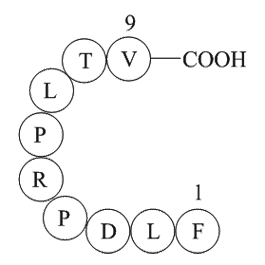
Furthermore, stress hormones can indirectly induce DNA damage, for example by altering DNA repair and transcriptional regulation of the cell cycle. It has been found that stress hormones induce the up-regulation of checkpoint kinase 1 (Chk1) and checkpoint kinase 2 (Chk2) and proto-oncogene cell div
The Cebu Longitudinal Health and Nutrition Survey CLHNS
2024-03-19
The Cebu Longitudinal Health and Nutrition Survey (CLHNS) genome-wide association study investigated the genetic loci associated with plasma adiponectin in 1776 unrelated Filipino women. Adiponectin was strongly associated with three genetic positions: the gene CDH13 (rs3865188, P ≤ 7.2 × 10⁻¹⁶), ne
8657 records 223/578 page Previous Next First page 上5页 221222223224225 下5页 Last page