Archives
- 2026-11
- 2026-10
- 2026-09
- 2026-08
- 2026-07
- 2026-06
- 2026-05
- 2026-04
- 2026-03
- 2026-02
- 2026-01
- 2025-12
- 2025-11
- 2025-10
- 2025-09
- 2025-03
- 2025-02
- 2025-01
- 2024-12
- 2024-11
- 2024-10
- 2024-09
- 2024-08
- 2024-07
- 2024-06
- 2024-05
- 2024-04
- 2024-03
- 2024-02
- 2024-01
- 2023-12
- 2023-11
- 2023-10
- 2023-09
- 2023-08
- 2023-07
- 2023-06
- 2023-05
- 2023-04
- 2023-03
- 2023-02
- 2023-01
- 2022-12
- 2022-11
- 2022-10
- 2022-09
- 2022-08
- 2022-07
- 2022-06
- 2022-05
- 2022-04
- 2022-03
- 2022-02
- 2022-01
Although TP status has been shown to
2024-04-03
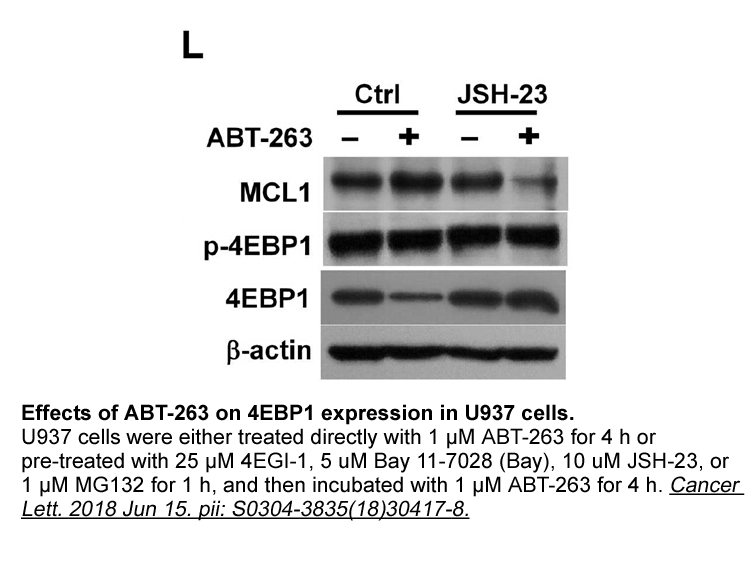
Although TP53 status has been shown to play a role in ATR inhibition and platinum resistance [7], [27], [38], in inhibition of ATM and sensitivity to IR [39], and in the activation of Chk1 and Chk2 [3], [4], ATM and ATR signaling can occur through the p38MAPK/MK2 pathway in p53-deficient Bromoenol l
Introduction Apoptosis signal regulating kinase ASK a family
2024-04-03
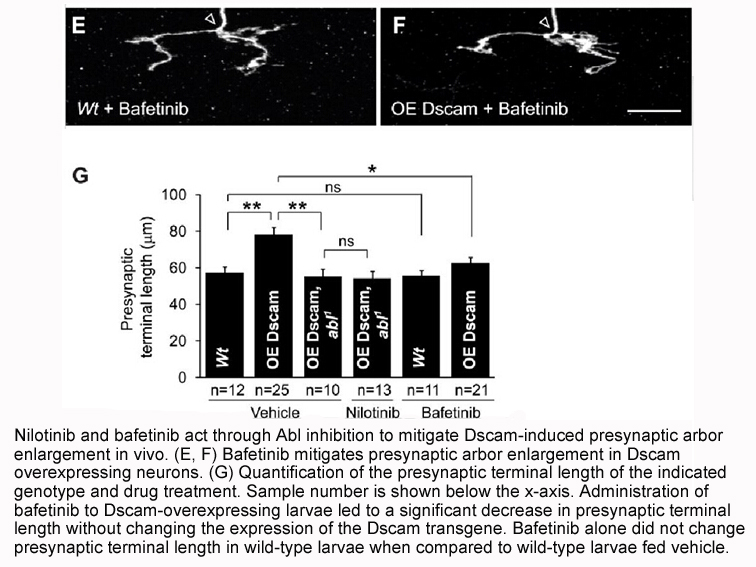
Introduction Apoptosis signal-regulating kinase 1 (ASK1), a family member of the mitogen-activated protein (MAP) kinase kinase kinase (MAP3K) family, selectively activates the JNK and p38 MAP kinase pathways in response to various types of stresses, including oxidative stress, and subsequently indu
It is reported that calpain
2024-04-03
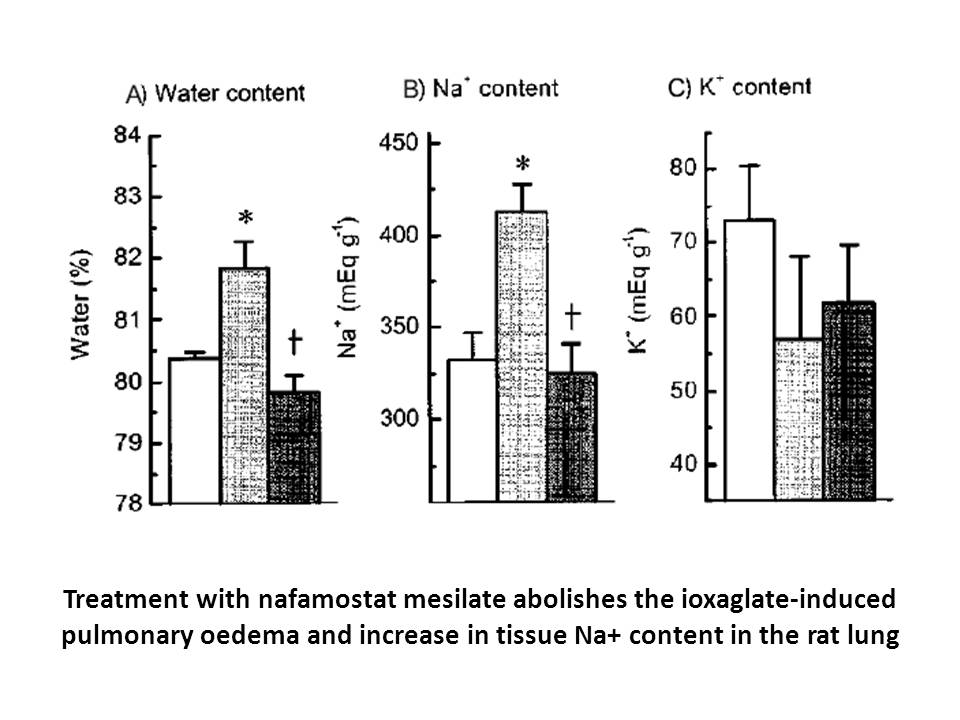
It is reported that calpain-2 plays a critical role in BDNF-induced signaling and memory formation, and knockdown of calpain-2, but not calpain-1, completely suppresses BDNF-induced pathway activation and protein translation (Briz et al., 2013). BDNF prevents neuronal apoptosis or death (Ferrer et a
br Secreted enzymes Only two secreted S aureus enzymes
2024-04-03
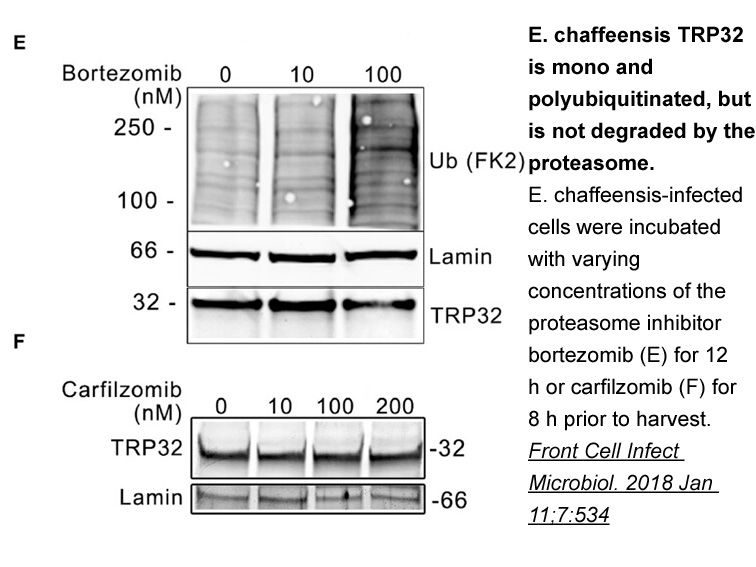
Secreted enzymes Only two secreted S. aureus enzymes reportedly induce apoptosis, namely, staphylococcal staphopain B (SspB) and coagulase. SspB selectively cleaved CD11b/CD18 integrin and induced an apoptosis-like cell death in neutrophils and monocytes (Smagur et al., 2009). Neutrophils or mono
br Application of bamboo in the
2024-04-03
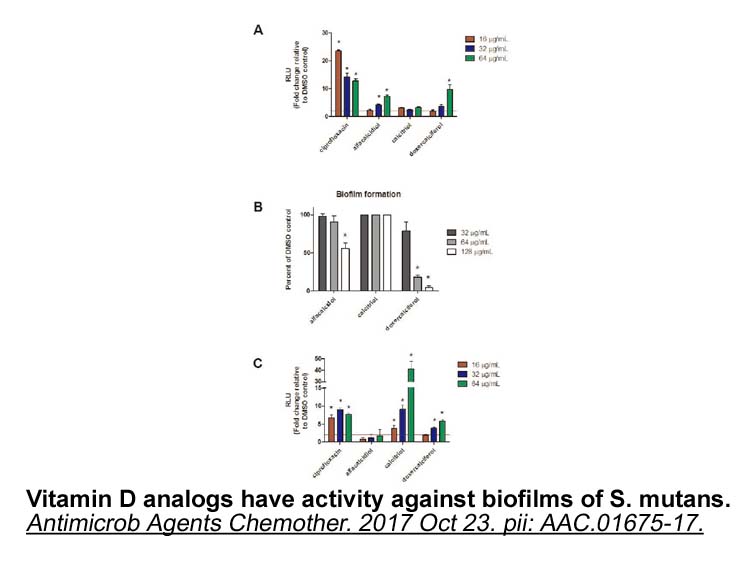
Application of bamboo in the food and pharmaceutical industry For decades, the application of antioxidants in the food and pharmaceutical industry has been widespread. In the past, antioxidants were previously used to control oxidation and retard spoilage but today, many are used because of putat
br Duality of interest br
2024-04-03
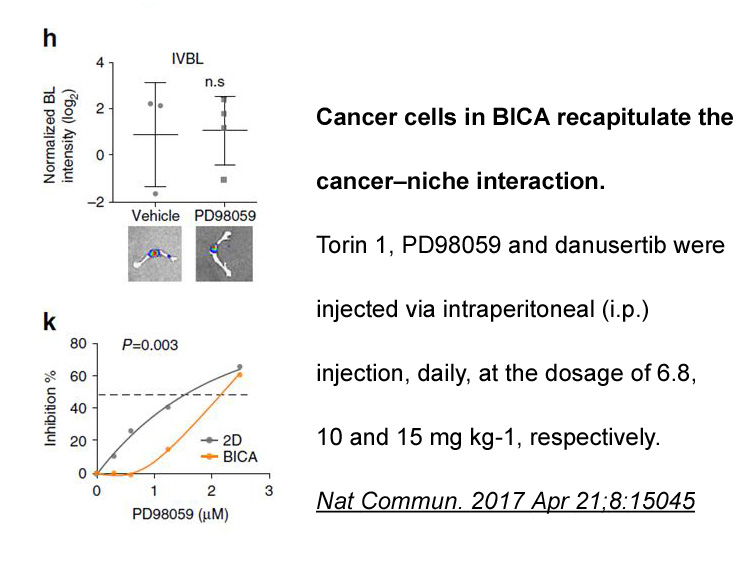
Duality of interest Contribution statement Acknowledgments Introduction Rapid, cell surface-initiated steroid actions have been reported for all major groups of steroid hormones and our understanding of membrane-mediated steroid actions has progressed rapidly over the last two decades. M
Critically we found that pre treatment
2024-04-03
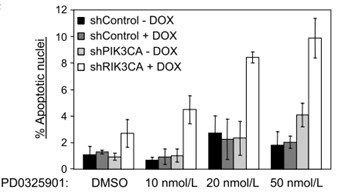
Critically we found that pre-treatment with Aβ monomer preparations prevented the Aβ oligomer-induced aggregation of PrPC. These preparations contain a mixture of Aβ species and consequently it was not possible to identify the precise form of Aβ that is responsible for this effect. It is possible th
Because of the critical roles played
2024-04-03
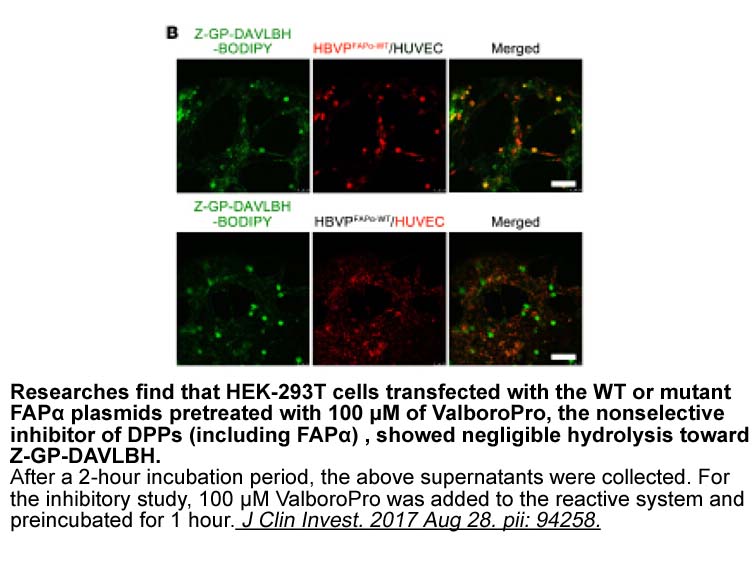
Because of the critical roles played by AMPK in energy sensing and cancer cell survival, a huge number of drugs have been proposed to exert their pharmacological effects by means of AMPK activation (Kim and He, 2013). For example, metformin has been shown to activate AMPK in muscle (Sajan et al., 20
br Neurological development and BCAAs Glutamate is an import
2024-04-03

Neurological development and BCAAs Glutamate is an important excitatory neurotransmitter in the brain, and BCAAs (especially leucine) function to synthesize glutamate in astrocytes around neurons, since leucine enters the brain from the blood more rapidly than other 2-Deoxycytidine and provides
The inflammatory cytokine IL is an additional factor
2024-04-02
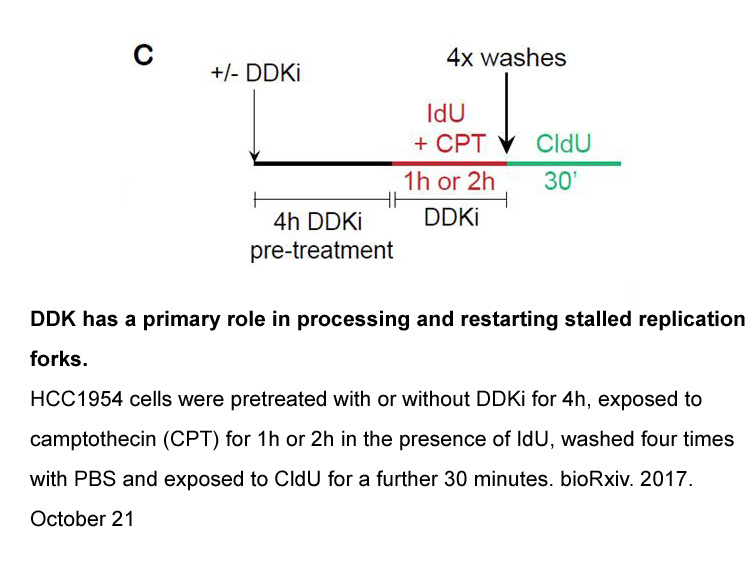
The inflammatory cytokine IL-6 is an additional factor that has been hypothesized to contribute to epinephrine-mediated repression of drug detoxifying proteins such as CYP3A4 (Aninat et al., 2008). Indeed, this CYP is well-known to be repressed by IL-6 (Dickmann et al., 2011) and epinephrine has pre
br Role of OCT in histamine clearance Histamine is
2024-04-02
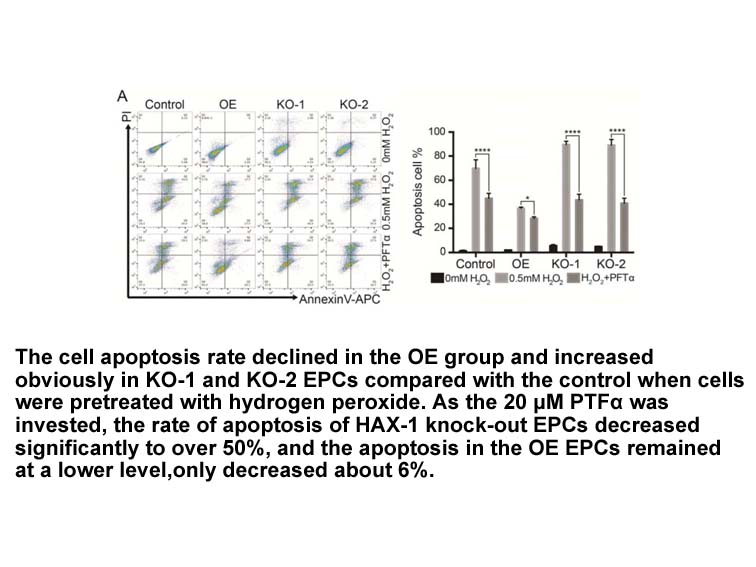
Role of OCT3 in histamine clearance Histamine is a powerful neuromodulator, as well as a regulator of immune processes and vascular tone in the central nervous system (Gross, 1981; Haas et al., 2008; Jutel et al., 2006). In contrast to 5-HT and the catecholamines, a high-affinity transporter for
Mechanistically NAergic signaling in the
2024-04-02
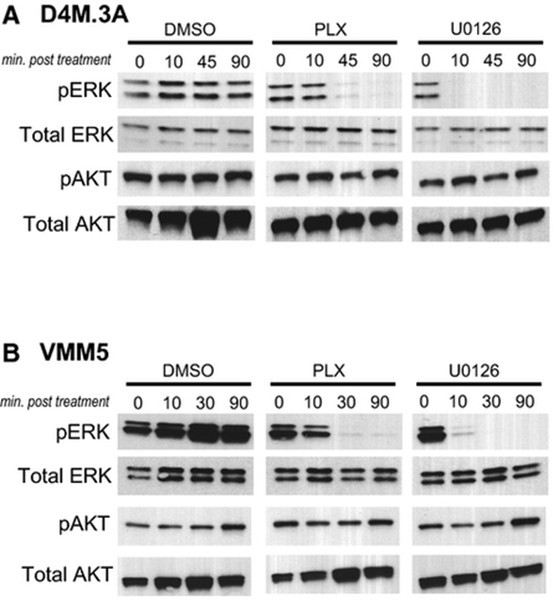
Mechanistically, NAergic signaling in the VTA modulates neuronal activity presumably via α1-AR. The majority of α1-ARs are found in the VTA are located presynaptically on unmyelinated dgat1 inhibitor and axon terminals of glutamatergic and GABAergic neurons. However, α1-ARs are also found on neuron
The results also showed that
2024-04-02
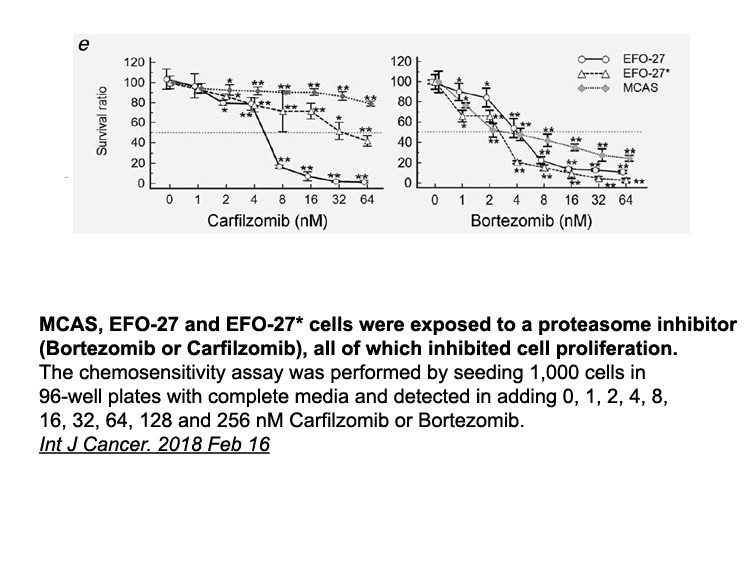
The results also showed that the A3 receptor agonist increased the phosphorylated levels of Akt, leading to activation of the PI3K/Akt pathway. A3 Chaetocin stimulation has protective effects against RGC death following ischemia-reperfusion, glutamate toxicity, and optic nerve transection models (G
Introduction Myasthenia gravis MG is an
2024-04-02
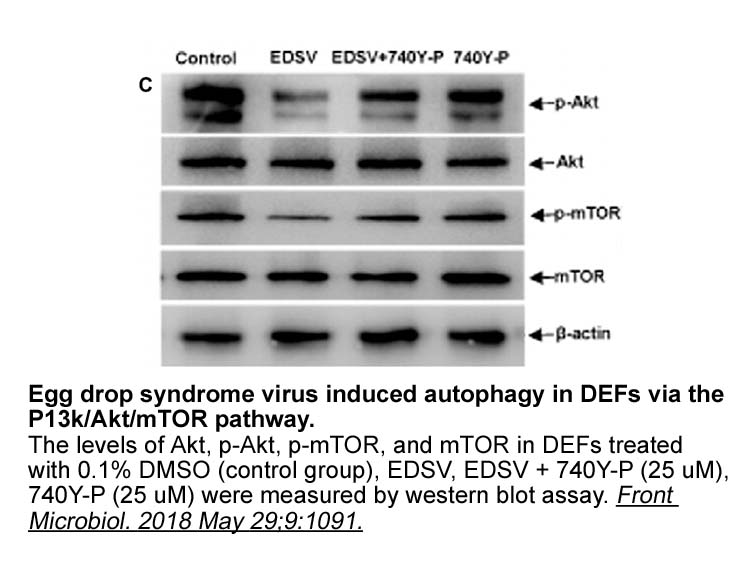
Introduction Myasthenia gravis (MG) is an autoimmune disorder characterized by muscle weakness, which is mainly due to autoantibodies reducing the number or function of postsynaptic AEE788 receptors (AChRs) [1], [2]. Animal models have been developed to uncover the immunopathogenesis of MG. Experi
In order to increase the oral bioavailability abiraterone is
2024-04-02
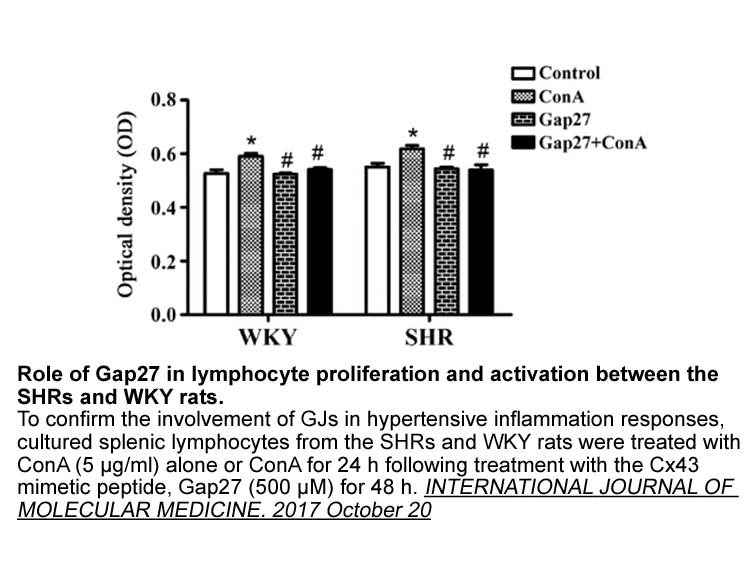
In order to increase the oral bioavailability, abiraterone (157) is being used in the form of its 3β-acetoxy prodrug, abiraterone acetate (156). In spite of the fact that high-fat meals increase the oral atp 4 of abiraterone acetate (156), it is recommended that this drug should be taken on an empt
8657 records 215/578 page Previous Next First page 上5页 211212213214215 下5页 Last page